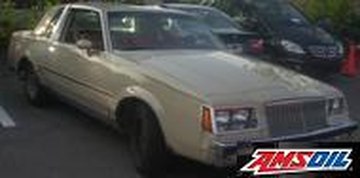
Engine Lubrication and Maintenance for the 1983 Buick REGAL 3.8L
Maintaining the lubrication system of a 1983 Buick REGAL with the 3.8L engine requires a consistent approach to fluid management and component inspection. As vehicles age, the materials used in gaskets, seals, and various hoses can undergo changes in flexibility and integrity. For an owner of this specific model, staying proactive with routine checks is the most effective way to ensure long-term mechanical health.
Monitoring Fluid Integrity and Potential Leaks
One of the primary tasks during any routine service interval is a thorough visual inspection for signs of fluid loss. Because this vehicle has been in operation for several decades, it is practical to monitor various connection points and sealing surfaces. When performing an inspection, look for any evidence of seepage or active dripping around the engine area.
If you notice wetness on the underside of the engine or around the edges of various components, it may indicate that a seal or gasket is no longer providing a perfect barrier. It is also useful to check the condition of the drain area and any surrounding surfaces for residue that might suggest a slow leak. Rather than assuming a specific component has failed, observing these signs allows you to address minor issues before they escalate into more significant maintenance requirements.
In addition to looking for external leaks, pay attention to the appearance of the oil itself. If the lubricant appears excessively dark, gritty, or contains visible contaminants, it may be a sign that the fluid has reached the end of its effective service life or that the filtration process is being challenged. Consistent monitoring helps establish what "normal" looks like for your specific engine, making any deviations easier to spot.
Managing Aging Engine Components
As a 1983 Buick REGAL ages, certain non-engine components also require attention to prevent secondary issues. For example, if equipped, inspecting accessible drive belts is a prudent part of a maintenance routine. Look for signs of deterioration such as cracking, glazing, or fraying along the edges of the belt. Similarly, if the vehicle is equipped with various rubber hoses, check them for excessive softness, hardening, or visible bulges.
Electrical connections and wiring harnesses should also be inspected periodically. Over time, heat cycles and age can cause connectors to become brittle or loose. Ensuring that electrical paths remain clean and securely seated helps prevent intermittent issues that can sometimes mimic mechanical problems. By addressing these aging materials based on their actual condition rather than just their age, you can prioritize your maintenance efforts more effectively.
Establishing a Maintenance Baseline
For many owners of older vehicles, the service history may not be complete or clearly documented. In such cases, the first step in effective ownership is establishing a baseline. This involves performing a comprehensive inspection of all fluids and major service items to determine their current state. Once you know the condition of the oil, filters, and other vital components, you can create a personalized maintenance schedule that reflects the actual needs of your 3.8L engine.
Keeping detailed records of every oil change, filter replacement, and observed repair is highly beneficial. Documenting not just what was done, but also any observations made during the process—such as "slight seepage noted at the rear" or "belts appear in good condition"—provides a roadmap for future service. This historical data makes it much easier to identify trends, such as an increase in lubricant consumption or a change in how the engine behaves under different conditions.
Interpreting Potential Warning Signs
While many maintenance tasks are proactive, some require immediate attention. It is important to understand that various symptoms can have multiple underlying causes, and a single sign does not always point to one specific failure. For instance, if you notice an unusual odor during operation, it may indicate that lubricant is contacting a hot surface, but it warrants further investigation to find the exact source.
Other signs that should prompt a closer look include:
- Changes in lubricant consumption: If you find yourself needing to add oil more frequently than before, investigate why.
- Unusual mechanical noises: Any new sounds coming from the engine area should be evaluated by a professional.
- Warning indicators: If any dashboard lights related to the lubrication system illuminate, address them immediately.
- Exhaust observations: Changes in the color or consistency of exhaust smoke can sometimes be associated with internal engine conditions and should not be ignored.
Approaching these signs with a mindset of investigation rather than immediate diagnosis helps prevent unnecessary repairs while ensuring that genuine issues are caught early.
Prioritizing Long-Term Engine Care
Effective long-term maintenance is about distinguishing between necessary preventive care and unnecessary parts replacement. For an older 3.8L engine, the priority should always be addressing active leaks or warning signs first. Once the immediate health of the vehicle is stabilized, you can move toward more general preventive measures.
Rather than following a rigid schedule that might suggest replacing components that are still in excellent condition, use the current state of the vehicle to guide your decisions. If a component shows no signs of wear or deterioration during regular inspections, it may not require immediate replacement. This condition-based approach is often more efficient and cost-effective for maintaining a classic vehicle like a 1983 Buick REGAL.
Buying Engine Oil for your 1983 Buick REGAL 3.8L
When you are ready to replenish the lubrication in your engine, it is vital to select a product that aligns with the specific requirements of your application. To ensure the best results, match the engine oil to the vehicle-specific viscosity and application information already displayed on this page.
Before making a purchase, always check the product labeling to verify that the oil meets the necessary quality standards. Depending on your specific needs and the current condition of your engine, you may choose between conventional oil, synthetic blends, or full synthetic formulations. For engines with higher mileage, some owners look for high-mileage formulations that include seal-conditioning additives designed for aging engines. Regardless of the type you select, always prioritize the application-specific details provided in the technical data above to ensure compatibility with your 3.8L engine.